Techniques
The techniques that take you beyond knit and purl: shaping, knitting in the round, joining and finishing. One guide per technique.
Kfb: knit front and back
Kfb (knit front and back) is the easiest knitting increase: knit into the front and back of the same stitch to make two from one. Steps, uses and mistakes.
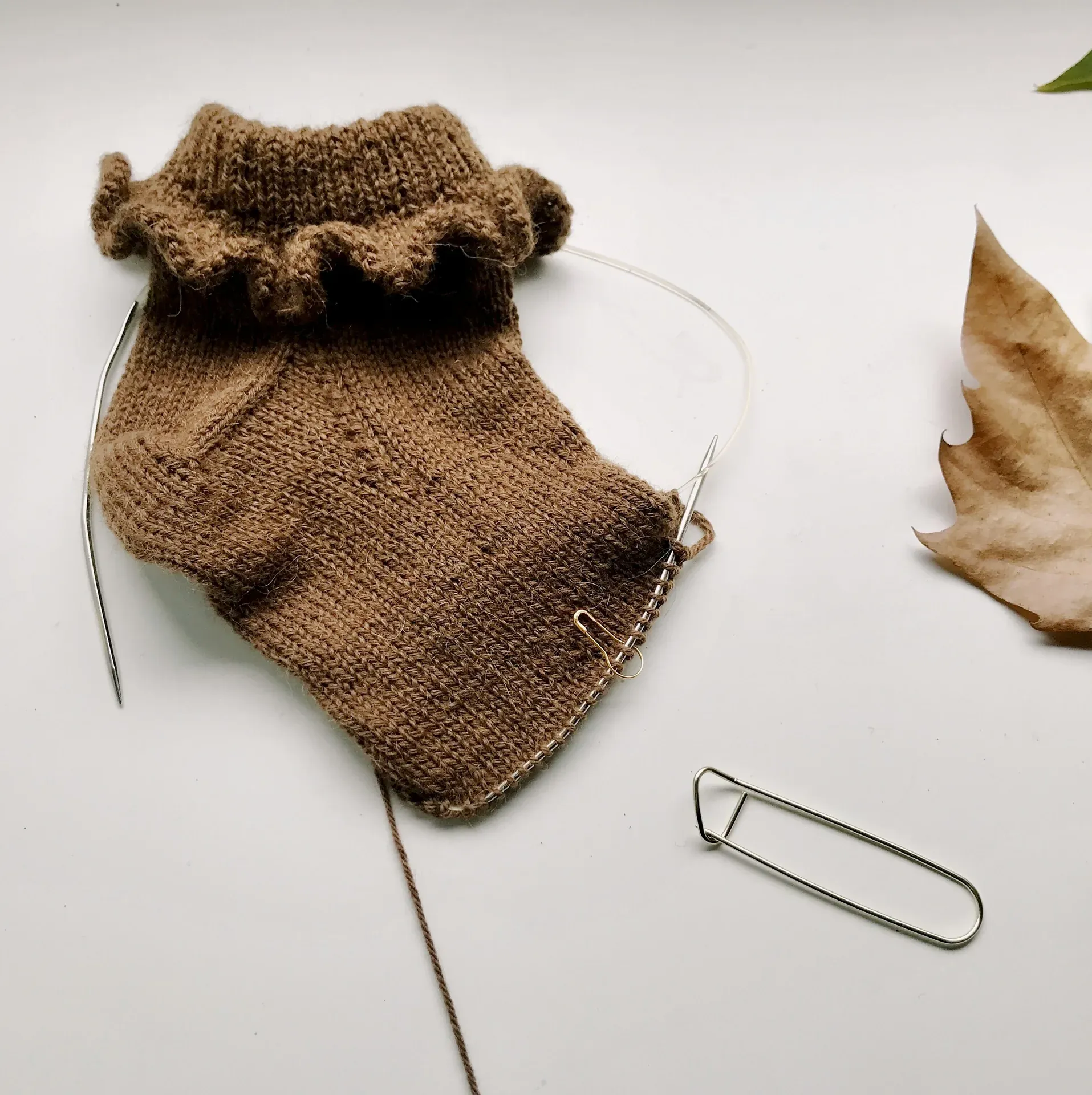
German short rows: the double stitch, step by step
German short rows shape knitting with a simple "double stitch" instead of wraps. Learn the method step by step, how to work the DS later, and why knitters prefer it.
SSK: the left-leaning decrease
SSK (slip, slip, knit) turns two stitches into one with a left lean. Learn it step by step, why the slips must be knitwise, and when to use it instead of k2tog.
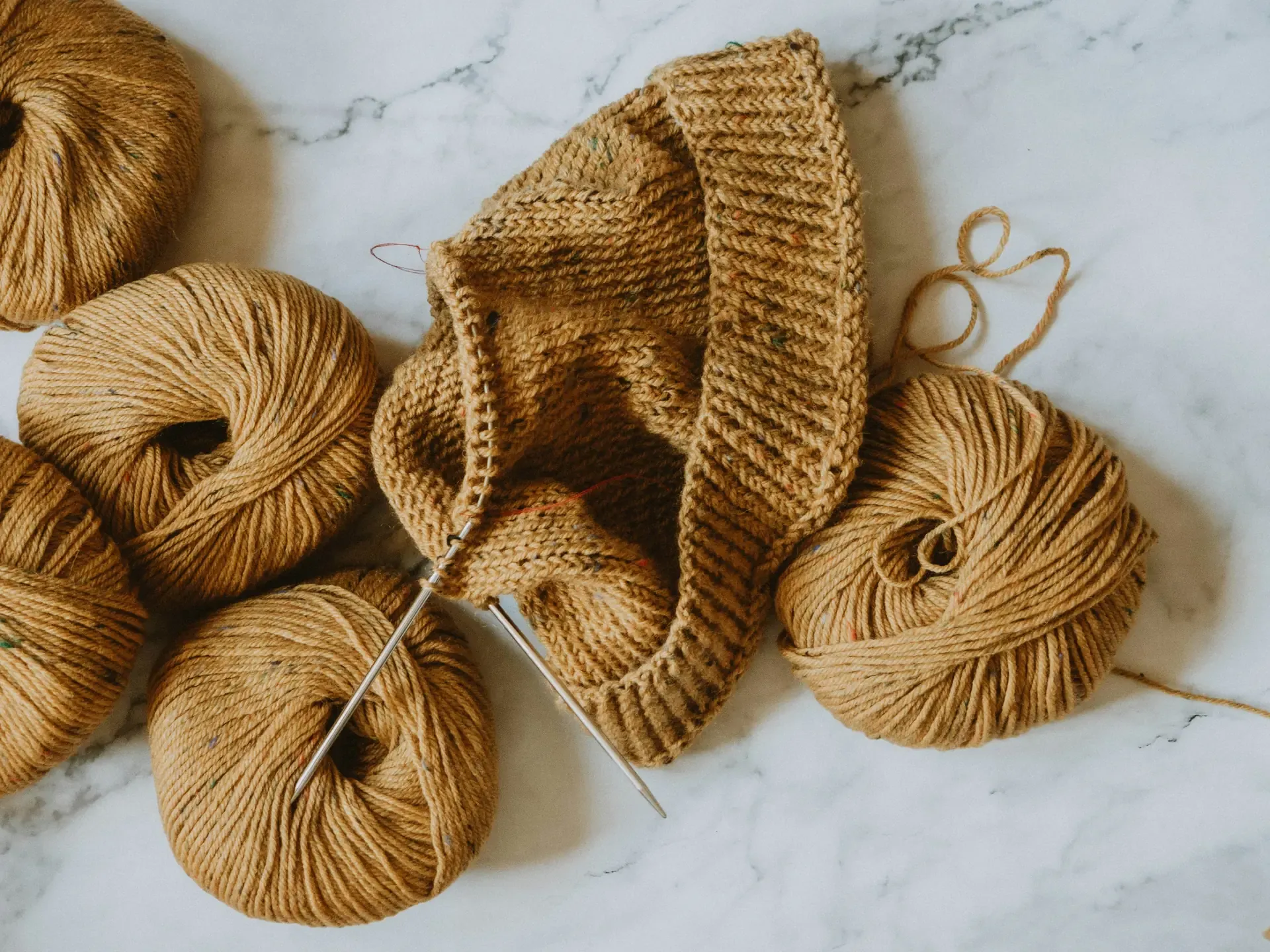
K2tog: the right-leaning decrease
K2tog (knit two together) is the simplest knitting decrease: knit two stitches as one, leaning right. Learn it step by step and when to pair it with ssk.
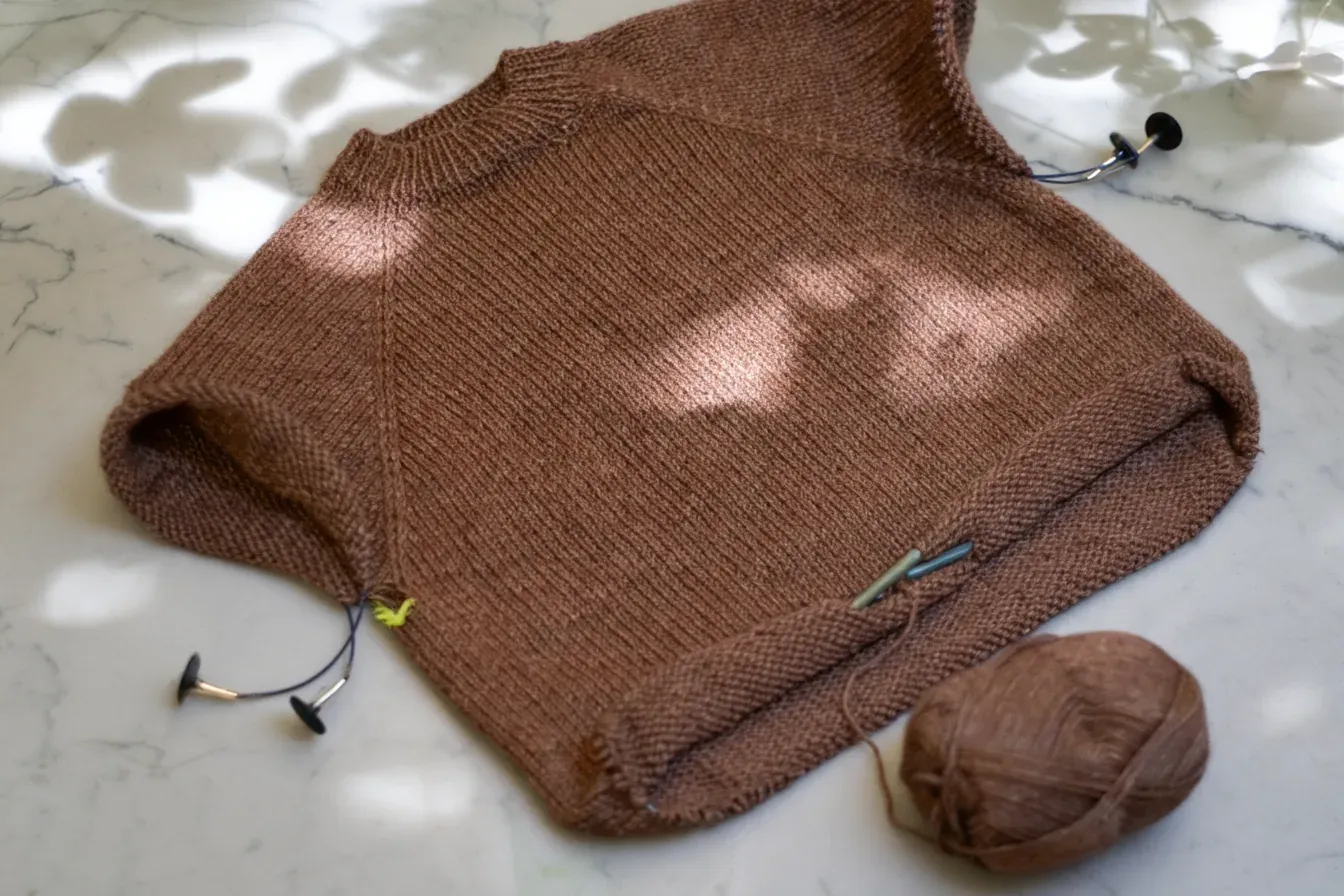
M1L and M1R: mirrored increases explained
M1L and M1R are nearly invisible mirrored increases made from the bar between stitches. Learn both step by step, and how to avoid the hole that ruins them.

I-cord: how to knit a cord
An i-cord is a small knitted tube made on two double-pointed needles: knit, slide, do not turn. Learn the technique and its uses, from drawstrings to edgings.
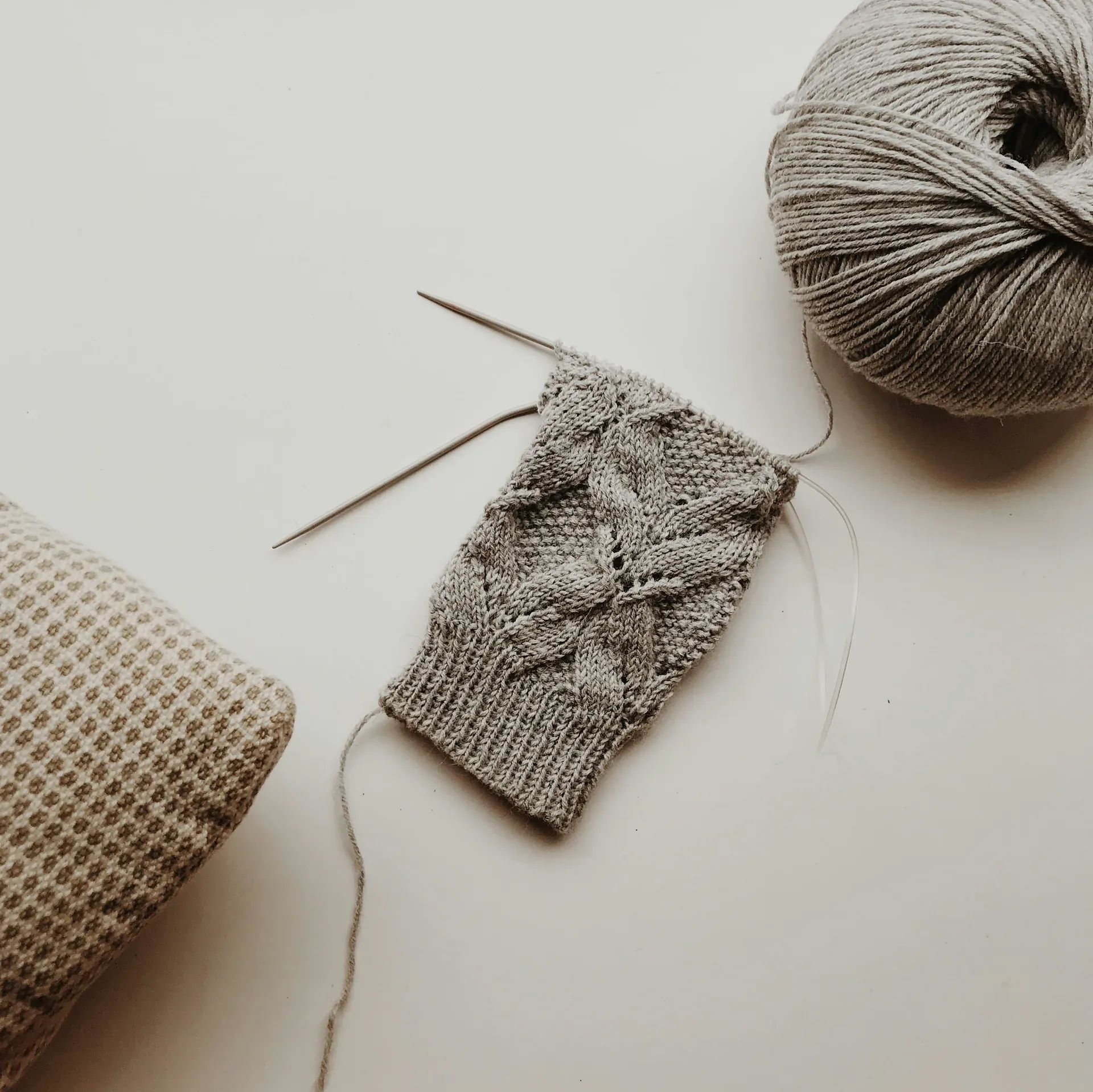
Magic loop: small circles on one long circular
Magic loop lets you knit socks, sleeves and mittens in the round on one long circular needle. The setup, the working sequence, and how to stop ladders at the loop points.

Blocking knitting: wet, steam and spray, explained
Blocking is washing and shaping your finished knitting so the stitches even out and the piece takes its final size. When to wet block, steam or spray, step by step.